A surf forecast looks like a wall of numbers until you know which five to focus on. Here's the short version — once these click, every chart on every site suddenly makes sense.
The five numbers
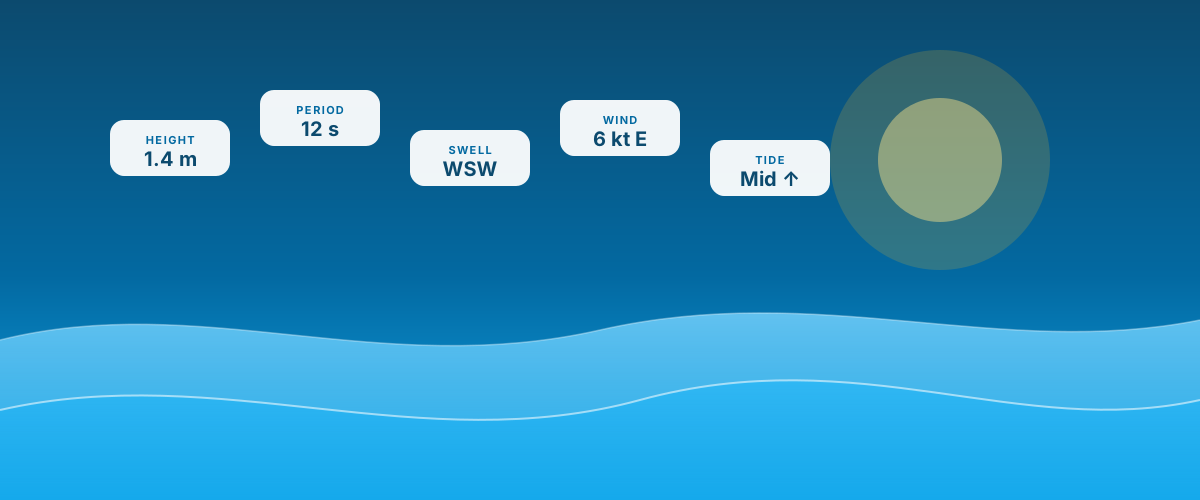
- Wave height — the size of the surf in metres (significant wave height). 1–1.5 m is fun for most surfers; above 2.5 m is for experienced riders.
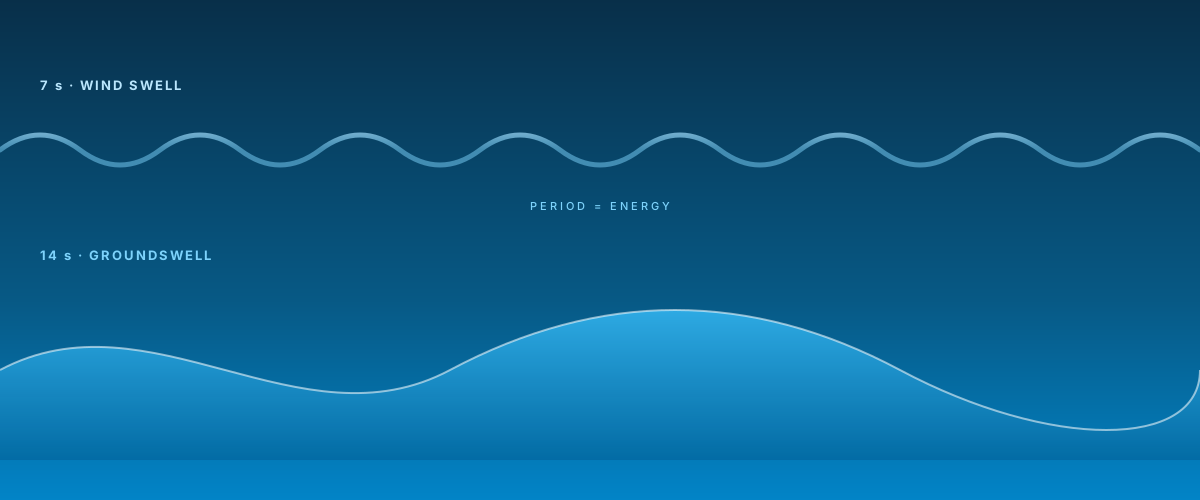
- Swell period — the seconds between each wave. Below 8 s = choppy wind swell. 10–14 s = powerful, well-organised surf. 16 s+ = serious open-ocean energy.
- Swell direction — where the swell is coming from. Your beach needs to face into the swell window to receive it. A south-facing beach won't light up on a north swell.
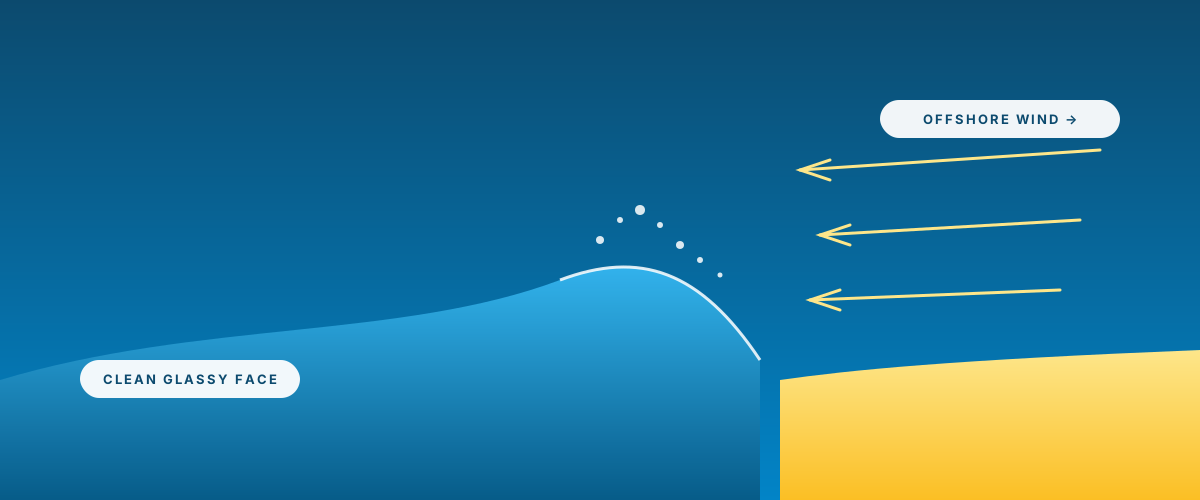
- Wind direction — offshore wind (blowing from land toward the sea) grooms waves into clean, glassy faces. Onshore wind blows into the face and creates chop. Side-shore is acceptable.
- Tide — many breaks are only surfable at a specific tide. Reef breaks often need water to cover the rocks; beach breaks may close out at high tide.
The session rating you see weights all five together — that's why a 2 m day can score lower than a 1.2 m day.
Once you understand these five, the session rating on Surfing Well will make immediate sense — it weights all five together and gives you a single score from Poor to Epic.